Dr. Jacqueline Griffiths at NewView Laser Eye Center was exceptional. Friendly, thorough, and attentive, she made me feel truly cared for. I highly recommend her and her staff for expert eye care.
Michele McClurg
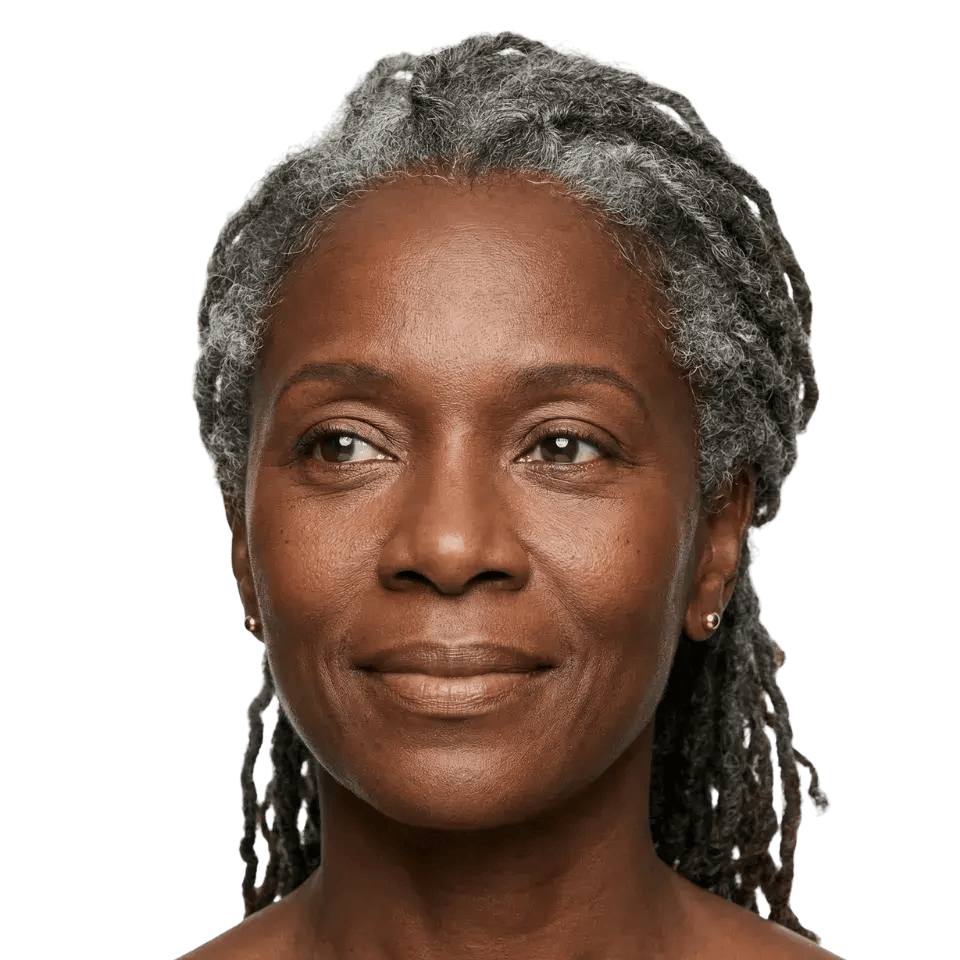
Access to eye care varies widely across Native American communities, and the systems designed to fill that gap face real and ongoing challenges. Knowing how these programs work can help you make the most of what is available.
The Indian Health Service (IHS) provides health care to eligible Native Americans and Alaska Natives and operates diabetic eye screening programs at many of its facilities. These programs use retinal cameras to photograph the back of the eye and look for early signs of diabetic retinopathy. In many cases, the photos are taken by trained staff on site and then reviewed remotely by an eye doctor, a model called teleretinal screening. Patients who are enrolled in IHS or tribal health programs are generally able to access this screening at no cost.
When screening reveals signs of diabetic eye disease, the patient is referred for a comprehensive eye exam and treatment. The IHS works to integrate screening into routine diabetes care visits so that patients can complete this step without a separate appointment.
Despite providing essential services, the IHS faces chronic underfunding, staffing shortages, and infrastructure limitations. Eye care specialists are especially difficult to recruit and retain in remote locations. When a facility loses its eye care provider, patients may wait weeks or longer for a visiting specialist, creating gaps during which retinopathy can advance without detection.
Equipment availability is uneven. Some IHS facilities have modern retinal cameras and imaging technology, while others operate with older equipment or lack what is needed for thorough diabetic eye evaluations. Reliable high-speed internet, which teleretinal screening depends on, is not available at every site. Advocacy for increased IHS funding and improved infrastructure remains an ongoing priority for tribal health leaders.
Beyond IHS facilities, individual tribes operate their own tribal health programs, and urban Indian health organizations provide care to Native Americans living in cities. Some of these programs have led the way in teleretinal screening, community health worker training, and culturally tailored diabetes education.
Urban Indian health organizations serve a growing population that has relocated to metropolitan areas but may still face significant barriers to mainstream health care. These organizations provide culturally sensitive care and can connect patients with eye screening and follow-up services. If you are a Native American living in or near an urban area, an urban Indian health center may be an important resource for you.
Teleretinal screening has become a critical tool for expanding diabetic eye care in areas where traveling to see an eye specialist is not practical. Understanding how it works and what it can and cannot do helps you use it effectively.
A portable or fixed retinal camera at a local clinic photographs the inside of the eye. Those digital images are then transmitted securely to an eye doctor who may be located many miles away. The doctor reviews the images, grades any diabetic retinopathy that is present, and sends a report back to the local clinic. Patients with normal results are scheduled for routine follow-up. Patients with signs of disease are referred to an eye specialist for a full evaluation and treatment.
Because this screening can take place during a regular diabetes visit at a local clinic, patients do not need to make a separate trip. The technology has improved considerably, with higher-resolution cameras producing clearer images that allow for reliable assessment of retinopathy severity.
The IHS has been growing its teleretinal screening network, installing cameras at more sites and training additional staff across the country. Programs that have integrated screening directly into the diabetes care workflow, so that it happens automatically at each diabetes appointment, have seen the highest rates of participation and early detection.
When screening becomes a standard part of every diabetes visit rather than a separate referral, more cases of retinopathy are caught while they are still treatable. Several tribal health systems have reported significant improvements in screening rates and earlier identification of disease after implementing these integrated programs.
Teleretinal screening is an important first step, but it is not a substitute for a comprehensive dilated eye exam. If your screening photos show signs of retinopathy, you will still need to see an eye doctor in person for a complete evaluation and any necessary treatment. Ensuring that patients who screen positive actually follow through on that referral remains one of the biggest gaps in the system, particularly when the nearest specialist is far away.
Internet connectivity issues, equipment malfunctions, and technician turnover can all disrupt teleretinal programs. Ongoing investment in technology, maintenance, and staff training is necessary to keep these programs running reliably for the communities that depend on them.
Effective care for Native American patients goes beyond the clinical encounter. Cultural awareness, community relationships, and trust all play a direct role in whether patients seek screening, follow up on referrals, and manage their diabetes over the long term.
Many Native American patients approach health and wellness through a framework that includes traditional healing practices and spiritual beliefs. A skilled and respectful provider will ask about these practices without judgment and look for ways that Western medical recommendations and traditional approaches can coexist. When patients feel that their beliefs are honored rather than dismissed, they are far more likely to trust their provider and engage consistently with their care.
Community health representatives (CHRs) are health workers drawn from the local community who understand the culture, speak the language, and share the lived experiences of their neighbors. They can visit patients at home, provide appointment reminders, assist with transportation, and deliver diabetes and eye health education in a way that feels familiar and relevant.
Programs that train CHRs specifically in diabetic eye health, explaining what retinopathy is, why screening matters, and how treatment can protect vision, have shown meaningful improvements in screening participation and follow-up completion. These programs work best when they are sustained over time and woven into the broader tribal health care system.
Historical trauma related to past government health policies has left a lasting legacy of mistrust toward outside institutions in many Native American communities. Rebuilding that trust requires care that is consistent, respectful, and culturally informed. Continuity, seeing the same provider over time, is especially valued and supports better long-term engagement with care.
When patients feel treated with dignity and genuinely understood, they are more willing to attend follow-up appointments, accept recommended treatments, and actively manage their diabetes between visits. Trust is built one visit at a time, and it is foundational to the long-term success of any diabetic eye care program in these communities.
Whether you manage your care through an IHS facility, a tribal health program, or another provider, there are clear and practical steps you can take right now to reduce your risk of vision loss from diabetes.
If you have diabetes, ask your health care provider about annual diabetic eye screening. Many IHS and tribal health facilities offer retinal photography on site, and the screening can be completed during a routine diabetes visit. If your clinic does not have a retinal camera, ask about teleretinal screening or a referral to the nearest eye care provider.
Do not wait for symptoms. Diabetic retinopathy can develop and worsen for years with no noticeable change in your vision. By the time blurry vision, dark spots, or difficulty reading appear, the disease may already be advanced. Screening catches problems early, when treatment is most effective at preserving your sight.
Keeping your blood sugar as stable and close to your goal as possible is the single most important thing you can do to slow or prevent retinopathy. Work with your health care team to set realistic targets, take medications as prescribed, and make sustainable changes to your daily diet and physical activity level. Controlling blood pressure and cholesterol protects your retina along with the rest of your cardiovascular system.
At each health visit, ask your provider about your A1C, blood pressure, and cholesterol numbers. Tracking these over time helps you see what is working and where adjustments may be needed. Even modest, consistent improvements can make a meaningful difference in your long-term eye health.
IHS facilities, tribal health programs, and urban Indian health organizations offer diabetes management support, eye screening, patient education, and more. Community health representatives can help you navigate the system, schedule appointments, and arrange transportation to specialist visits when needed.
If you are unsure what services you are eligible for, contact your local IHS facility or tribal health department and ask specifically about diabetic eye screening, teleretinal programs, and diabetes education. You do not have to manage this alone, and taking advantage of available resources puts you in the strongest position to protect your vision.
These answers address common questions about diabetic eye care in Native American and Indigenous communities and offer practical guidance for navigating your options.
Diabetic retinopathy is damage to the small blood vessels in the retina, the light-sensitive layer at the back of the eye, caused by prolonged high blood sugar. In early stages it may cause no noticeable symptoms, but as it progresses it can lead to significant and permanent vision loss if left untreated. It is the leading cause of new vision loss among working-age adults with diabetes, which makes regular screening critical regardless of how well you feel your vision is holding up.
Yes. This is one of the most important points about diabetic eye disease. Retinopathy can progress through early and moderate stages without causing any change in how you see, and by the time vision is affected, the damage is often more difficult to treat. A screening exam detects disease before symptoms appear, which is exactly when intervention is most effective. Feeling fine is not a reliable indicator of what is happening inside your eye.
If the images show signs of diabetic retinopathy, you will receive a referral to an eye doctor for a comprehensive in-person examination. That visit will involve a more detailed look at the retina, likely with dilation (eye drops that temporarily widen the pupil for a better view), and may include additional imaging. From there, your eye doctor will recommend a treatment plan based on the type and severity of the disease. Following through on that referral promptly is essential, because delays allow the disease to advance.
Yes. If the nearest IHS facility cannot provide the level of care you need, you may be referred to a community provider outside the IHS system through a referral authorization process. Urban Indian health organizations can also help connect patients with community-based eye care. If you are managing care outside a tribal health system, look for an ophthalmologist experienced in diabetic eye disease who can coordinate with your diabetes care team. Bringing a list of your current medications and your most recent A1C and blood pressure readings to any new provider visit will help them understand your full health picture.
Encouraging a loved one to get screened is most effective when it is framed around what matters to them, like staying independent, continuing to work, or being present for their children and grandchildren. Offering to accompany them to the appointment, helping with transportation, or even calling the clinic together to schedule can reduce practical barriers. Community health representatives can also provide personalized outreach and reminders, so connecting your family member with a local CHR may be a helpful step.
A sudden change in vision, including new floaters, flashing lights, blurry or distorted central vision, or a dark curtain across part of your visual field, should be treated as a medical urgent situation. Contact an eye doctor or emergency eye care facility as soon as possible rather than waiting for your next scheduled appointment. Some diabetic eye emergencies, such as a vitreous hemorrhage (bleeding into the gel inside the eye) or a retinal detachment, require prompt treatment to prevent permanent vision loss.
At NewView Eye Center, our team of eye doctors is dedicated to providing thorough, personalized care for patients with diabetes and diabetic eye disease across Northern Virginia. We offer comprehensive diabetic eye exams with advanced retinal imaging to detect and monitor disease at every stage. If you or someone you care about has diabetes, we encourage you to schedule an exam so we can help you protect your vision for the long term.
Find more information about our doctors, services, and technology that keep your eyes healthy and your vision at its best.